The Golden Age of Classic Cartoons
Saturday Mornings and Slime
Before on-demand streaming meant any show was available at any time, television for kids was heavily localized to specific time blocks. You scheduled your weekend around the broadcast guide. The 1990s and early 2000s represented a renaissance in television animation, marked by creator-driven storytelling, subversive humor, and iconic network rivalries.
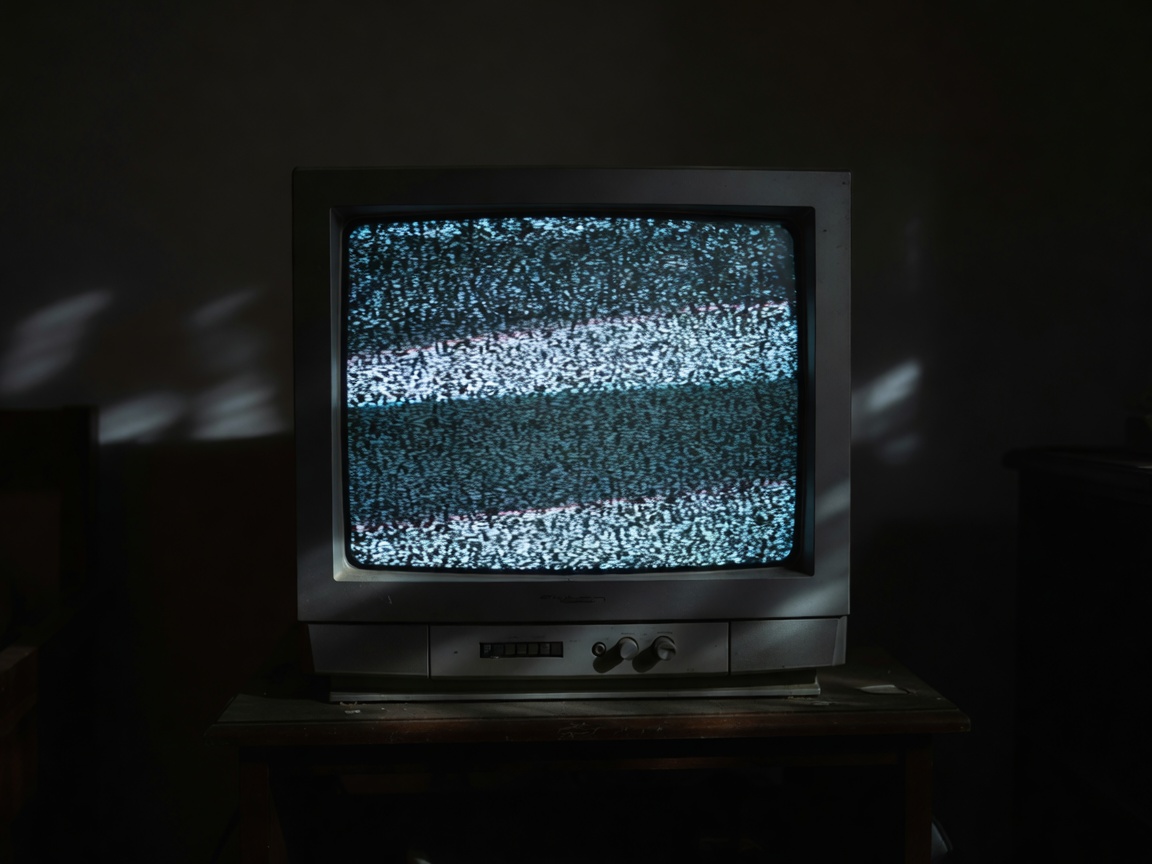
Saturday Morning Rituals
The concept of "Saturday Morning Cartoons" on major broadcast networks peaked in the mid-90s before cable television entirely fractured the audience. Waking up at 7:00 AM on a weekend, pouring a bowl of overly sugary cereal, and sitting inches from a heavy CRT television was a universal childhood experience. Broadcast blocks like Fox Kids and Kids' WB served up a mix of serialized action—most notably importing heavily edited Japanese anime like *Power Rangers* (utilizing sentai footage) and later *Pokémon*—alongside energetic comedy animations.
The Nicktoons Revolution
In 1991, Nickelodeon fundamentally changed the landscape of children's television with the debut of the original three "Nicktoons": *Doug*, *Rugrats*, and *The Ren & Stimpy Show*. Unlike the program-length toy commercials of the 1980s, these shows were driven by their creators and animators.
*Ren & Stimpy* pushed the absolute boundaries of what was acceptable in children's broadcasting with grotesque close-ups and surreal, chaotic humor. *Rugrats* explored the terrifying and imaginative perspective of toddlers, while *Doug* offered a grounded, anxiety-ridden look at adolescence. This creator-first approach paved the way for modern animation.
| Network Era | Flagship Strategy | Legacy Aesthetic |
|---|---|---|
| Nickelodeon (90s) | Creator-driven, varied art styles | Slime, orange splats, subversive humor |
| Cartoon Network (Late 90s) | Hanna-Barbera library + Originals | Checkerboard logo, Powerhouse era bumps |
| Kids' WB (90s-00s) | Action/Anime blocks & slapstick | Water tower mascot, high-energy action |
| Disney Afternoon | Serialized adventure spun from classics | High production value, catchy theme songs |
Cartoon Network's Powerhouse Era
While Nickelodeon ruled the early 90s, the late 90s saw Cartoon Network emerge as an unstoppable force. Initially launched as a dumping ground for the Turner broadcasting archive of old Hanna-Barbera cartoons, the network eventually began producing its own originals under the "Cartoon Cartoons" banner. Shows like *Dexter's Laboratory*, *The Powerpuff Girls*, and *Johnny Bravo* featured thick outlines, angular retro designs, and smart writing that appealed equally to kids and adults.
The branding of the network during this time—known to fans as the "Powerhouse" era—featured jazzy, industrial musical bumpers and interstitial animations where characters from different shows would interact in a shared, monochromatic universe. It created a cohesive network identity that hasn't been matched since.
The End of an Era
As the 2000s progressed, changing FCC regulations, the rise of 24-hour cable channels, and eventually the internet killed the traditional Saturday morning block. However, the influence of the 90s animation boom is impossible to ignore. The artists who cut their teeth drawing thick-lined, subversive cartoons in the 90s grew up to run the animation studios of today, ensuring the creative DNA of that era lives on.