The Vintage Collectibles Bubble
Cardboard, Plastic, and Playground Economics
Before cryptocurrency and digital assets, there was a different kind of speculative bubble happening on playground blacktops and in suburban shopping malls. The 1990s engineered a perfect storm of artificial scarcity, aggressive marketing, and genuine playground mania that turned children into cutthroat traders and parents into frantic hoarders. This was the golden age of physical collectibles.
The Beanie Baby Speculation
Perhaps the most infamous craze of the decade was the Beanie Baby phenomenon. Created by Ty Warner, these small, under-stuffed plush animals were produced in limited runs. When a specific animal was "retired," secondary market prices skyrocketed. Adults bought protective plastic cases for five-dollar toys, convinced they were funding their children's college tuition.
Price guides were published monthly, treating the toys like blue-chip stocks. While the bubble ultimately burst spectacularly by the late 90s, leaving thousands with attics full of worthless fabric, the mechanics of manufactured scarcity created a blueprint for future collectible markets.
The Trading Card Game Craze
Trading cards evolved from sports memorabilia into complex strategic games. While *Magic: The Gathering* pioneered the genre in the early 90s targeting older demographics, it was the arrival of the *Pokémon Trading Card Game* in 1999 that caused mass hysteria. The quest to pull a holographic Charizard card from a foil booster pack led to playground bans across the globe.
The genius of these games was the integration of collection and utility. You weren't just buying a card to look at it; you needed it to build a better deck. The tactile sensation of opening a fresh pack, smelling the ink on the cardboard, and sliding a rare find into a hard plastic toploader remains a cherished memory for an entire generation.
| Collectible Type | Peak Era | Core Appeal |
|---|---|---|
| Beanie Babies | 1995-1999 | Artificial scarcity and retirement dates |
| Pokémon TCG | 1999-2001 | Holographic rarity and media synergy |
| Pogs / Tazos | 1994-1996 | Low barrier to entry, physical gameplay |
| Tamagotchi | 1997-1998 | Virtual responsibility and novelty tech |
The Pogs Obsession
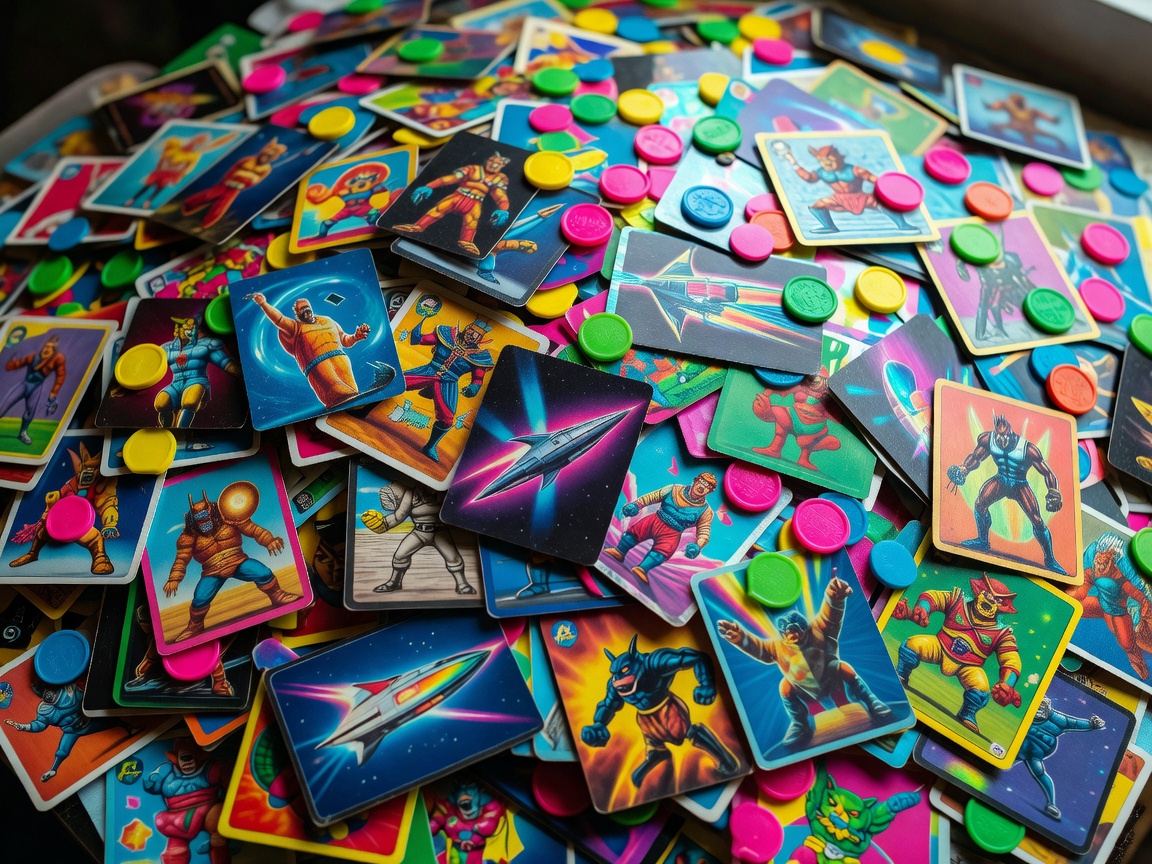
For a brief, intense period in the mid-90s, milk caps ruled the world. Originating in Hawaii, the game of Pogs involved stacking cardboard discs and slamming a heavier metal or plastic "slammer" onto the stack to flip them over. It was simple, kinetic, and highly addictive.
Brands immediately recognized the marketing potential. Every fast-food chain, cereal brand, and television show produced their own sets of caps. Because the game was often played "for keeps," entire collections could change hands during a single recess period, leading to intense playground drama.
Virtual Pets: The Tamagotchi Era
The collectible craze wasn't limited to static objects. In 1997, Bandai introduced the Tamagotchi—an egg-shaped keychain housing a digital alien pet. Caring for it required feeding, cleaning, and disciplining via three small buttons. The real hook was that the pets could actually "die" if neglected, introducing a stressful element of constant digital responsibility that disrupted classrooms worldwide.
The nostalgia for these physical artifacts remains strong today. They represent a tangible connection to a time when value was dictated by playground consensus rather than global algorithms, and when a shiny piece of cardboard felt like the most important thing in the world.